Amy Acton campaign slams Ramaswamy over controversial ad featuring estranged mother
· ABC News

· ABC News
· Yahoo Sports
Corinthians announced on Tuesday evening (20) that Marcelo Paz had stepped down as football executive.
Visit goldparty.lat for more information.
The departure was reportedly by mutual agreement.
Marcelo Paz, 43, was announced by Timão on December 27 last year.
He joined the Black and Whites after serving as Fortaleza's director of football, president and CEO.
This article was translated into English by Artificial Intelligence. You can read the original version in 🇧🇷 here.
· Prothom Alo
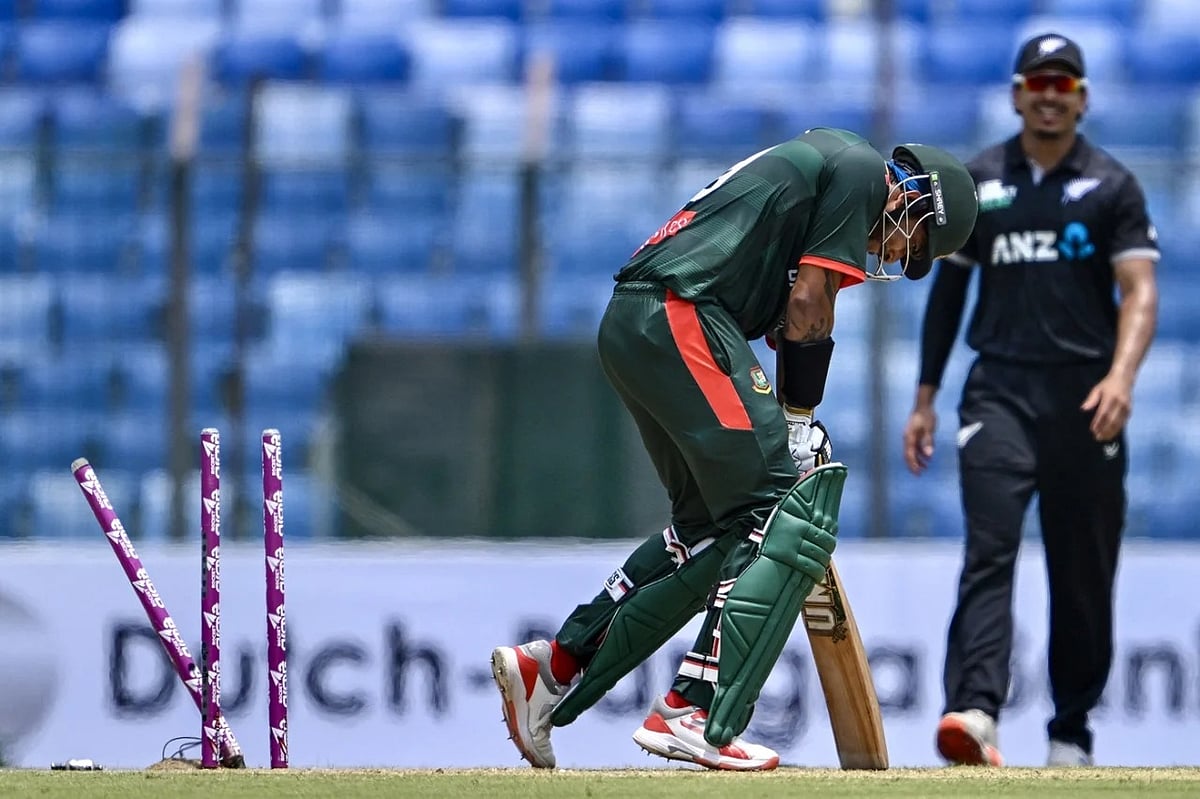
জীবনটা যদি একটা ক্রিকেট ম্যাচ হতো, তাহলে টেস্ট ক্রিকেটের সঙ্গে তার মিলই বোধ হয় সবচেয়ে বেশি। পাঁচ দিনের দীর্ঘ যাত্রা। কখনো রোদ, কখনো মেঘ। কখনো ব্যাটসম্যানের রাজত্ব, কখনো বোলারের দাপট। ভালো সময় আসে, খারাপ সময়ও।
Visit rouesnews.click for more information.
কখনো মনে হয় সব শেষ। আবার সেই শেষের কিনারা থেকেই শুরু হয় নতুন গল্প।
ওয়ানডে ক্রিকেটও তো এক অর্থে জীবন। শুধু দৈর্ঘ্যটা একটু কম। ৫০ ওভারের এক ছোটখাটো জীবন। এখানে ভুল করার সুযোগ আছে, ভুল শুধরে নেওয়ারও। ধৈর্য ধরলে বিপর্যয় কাটিয়ে ওঠা যায়। তবে একটা শর্ত আছে।টিকে থাকতে হবে।
বাংলাদেশের ওয়ানডে ক্রিকেটের গল্পটা এই টিকে থাকার লড়াইয়েরই এক রোমাঞ্চকর যাত্রা। একসময় ৫০ ওভার ব্যাটিং করতে পারাটাই ছিল বড় অর্জন। প্রতিপক্ষের বোলারদের চেয়ে নিজেদের ব্যাটিংয়ের ভঙ্গুরতাই যেন বেশি ভয় দেখাত।
তারপর সময় বদলেছে। সাকিব আল হাসান, তামিম ইকবাল, মুশফিকুর রহিমরা এসেছেন। বাংলাদেশের ক্রিকেট শৈশব পেরিয়ে যৌবনে পা রেখেছে। ৫০ ওভার ব্যাটিং করতে পারা আর বিস্ময়ের কিছু থাকেনি।
কিন্তু সময় কি সব সময় সামনের দিকেই এগোয়? বাংলাদেশের ওয়ানডে ব্যাটিংয়ের সাম্প্রতিক পরিসংখ্যান দেখে প্রশ্নটা উঠতেই পারে। একসময় যে অসুখ অনেকটাই সেরে উঠেছিল, সেটি যেন আবার ফিরে আসছে। পুরোনো দিনের সেই ইনিংস গুটিয়ে যাওয়ার রোগ!
অবশ্য ওয়ানডেতে ৫০ ওভার ব্যাটিং করতেই হবে, এমন কোনো কথা নেই। ৪০ ওভারে অলআউট হয়েও ম্যাচ জেতা যায়। বোলাররা দুর্দান্ত কিছু করলে আরও কম রান নিয়েও জয় সম্ভব। আবার রান তাড়া করতে নেমে ৩০ ওভারে ম্যাচ জিতে যাওয়াই তো সাফল্য।
কিন্তু আগে ব্যাটিং করতে নামা দলের হিসাব আলাদা। সেখানে পুরো ৫০ ওভার খেলার সুযোগ থাকে। নিয়মিত সেই সুযোগ কাজে লাগাতে না পারলে ব্যাটিংয়ের গভীরতা, ধৈর্য আর ইনিংস গড়ার সামর্থ্য নিয়ে প্রশ্ন উঠবেই।
বাংলাদেশের গল্পটা তাই আগে ব্যাটিং করতে নেমে কতবার ৫০ ওভার শেষ হওয়ার আগেই অলআউট হতে হয়েছে, সেই হিসাবের।
বাংলাদেশের ক্রিকেটের শুরুর দিনগুলোর কথা মনে করুন। ওয়ানডেতে ২০০ রান করলেই স্বস্তি। ২৫০ রান তো রীতিমতো উৎসবের উপলক্ষ। প্রতিপক্ষের বোলাররা একটু চাপ তৈরি করলেই ব্যাটিং লাইনআপে ধস। একজন আউট হলে তাঁর পেছন পেছন আরও দুজনের ফেরার দৃশ্য তখন খুব অচেনা ছিল না।
সংখ্যাগুলোও সেই গল্পই বলছে। ২০০০ থেকে ২০১০ সাল পর্যন্ত ৮২টি ওয়ানডেতে আগে ব্যাটিং করেছে বাংলাদেশ। এর মধ্যে ৪৮ ম্যাচেই পুরো ৫০ ওভার খেলতে পারেনি। অর্থাৎ, ৫৮.৫ শতাংশ ম্যাচে নির্ধারিত ওভার শেষ হওয়ার আগেই থেমে গেছে বাংলাদেশের ইনিংস।
সহজ করে বললে, প্রতি ১০ ম্যাচের প্রায় ৬টিতেই ৫০ ওভারের জীবনটা পুরোপুরি বাঁচতে পারেনি বাংলাদেশের ব্যাটিং।
২০০০ থেকে ২০১০ সাল পর্যন্ত ব্যাটিং লাইনআপে ধস ছিল নিয়মিত দৃশ্যআর জয়?
ওই ৪৮ ম্যাচে জয় এসেছে মাত্র দুটিতে। একটি জিম্বাবুয়ের বিপক্ষে, অন্যটি কেনিয়ার বিপক্ষে। অথচ পুরো ৫০ ওভার ব্যাটিং করতে পারা ম্যাচগুলোয় বাংলাদেশের জয় ছিল ১৮টি। অর্থাৎ, ইনিংসের শেষ পর্যন্ত টিকে থাকা আর জয়ের মধ্যে একটা সম্পর্ক তখন বেশ স্পষ্ট।
অবশ্য শুধু ৫০ ওভার খেলতে পারলেই জয় নিশ্চিত, এমন নয়। কত রান উঠছে, প্রতিপক্ষ কে, উইকেট কেমন, সেসবও গুরুত্বপূর্ণ। তবু ওই সময়ের পরিসংখ্যান একটা কথা পরিষ্কার করে দিয়েছিল, বাংলাদেশকে জিততে হলে আগে শিখতে হবে টিকে থাকা।
আইসিসির নতুন নিয়মে বিপদে বাংলাদেশ: ব্যাটিংয়ে ধস, বোলিংয়ে লাগামহীন রানক্রিকেটেও কখনো কখনো প্রজন্ম বদল মানে যুগ বদল। বাংলাদেশের ব্যাটিংয়ে সেই বদলের মুখ হয়ে উঠলেন সাকিব, তামিম, মুশফিকরা। তাঁদের সঙ্গে অভিজ্ঞতা বাড়ল দলের। ইনিংস কীভাবে গড়তে হয়, কখন আক্রমণ করতে হয়, কখন উইকেট বাঁচিয়ে রাখতে হয়, সেই শিক্ষাও এল।
২০০০ থেকে ২০১০ সালের বাংলাদেশের সঙ্গে পরের দশকের বাংলাদেশকে তাই এক পাল্লায় মাপা কঠিন।
২০১০ থেকে ২০২০ সাল পর্যন্ত ৮৩টি ওয়ানডেতে আগে ব্যাটিং করেছে বাংলাদেশ। এর মধ্যে ২৮ ম্যাচে ৫০ ওভার পূর্ণ করতে পারেনি। হার ৩৩.৭ শতাংশ।
আগের দশকে যে হার ছিল ৫৮.৫ শতাংশ, সেটি নেমে এল ৩৩.৭ শতাংশে। কমল প্রায় ২৪.৮ শতাংশ পয়েন্ট। বড় পরিবর্তন। একসময় প্রতি ১০ ম্যাচের প্রায় ৬টিতে পুরো ৫০ ওভার খেলতে না পারা দলটি এখন সেই সংখ্যা নামিয়ে আনল প্রায় ৩টিতে।
ব্যাটিংয়ে স্থিতি আসার এর চেয়ে ভালো পরিসংখ্যানগত প্রমাণ আর কী হতে পারে!
এই দশকে ৫০ ওভার পূর্ণ করতে না পারা ম্যাচেও বাংলাদেশ জিতেছে ৯টিতে। আর পুরো ৫০ ওভার খেলতে পারা ম্যাচে জয় এসেছে ২৭টিতে। অর্থাৎ, বাংলাদেশ শুধু বেশি সময় উইকেটে থাকতেই শেখেনি, সেই অভিজ্ঞতাকে জয়েও রূপ দিতে শুরু করেছিল।
বাংলাদেশের ওয়ানডে ক্রিকেটের সবচেয়ে স্মরণীয় সময়গুলোর কথা উঠলে ২০১৫ সালের পরের কয়েকটি বছর আলাদা জায়গা পাবে।
সাকিব তখন বিশ্বমানের অলরাউন্ডার। তামিম ওপেনিংয়ে নির্ভরতার প্রতীক। মুশফিক মিডল অর্ডারে দলের বড় ভরসা। অভিজ্ঞতার সঙ্গে আত্মবিশ্বাসের মেলবন্ধন।
সেই সময়ের বাংলাদেশকে দেখে অন্তত একটা বিশ্বাস জন্মেছিল। শুরুতে দুটো উইকেট পড়ে গেলেই সব শেষ নয়। ইনিংস আবার গড়ে তোলা সম্ভব।
কিন্তু সেই সময়ের পরিসংখ্যান কি পুরো দশকের চেয়ে আলাদা কিছু বলছে?
২০১৫ থেকে ২০২০ সাল পর্যন্ত ৪০টি ওয়ানডেতে আগে ব্যাটিং করেছে বাংলাদেশ। এর মধ্যে ১৩টিতে ৫০ ওভার পূর্ণ করতে পারেনি। হার ৩২.৫ শতাংশ।
পুরো দশকের হার ৩৩.৭ শতাংশ। পার্থক্য সামান্যই।
অর্থাৎ, শুধু ২০১৫ সালের পরের কয়েকটি বছর নয়, ২০১০ থেকে ২০২০ সালের পুরো দশকজুড়েই বাংলাদেশের ব্যাটিংয়ে উন্নতির ধারাটা ছিল মোটামুটি স্থিতিশীল।
এমন নয় যে হঠাৎ কয়েক বছর ভালো ব্যাটিং করে বাংলাদেশ পুরোনো দুর্বলতা আড়াল করেছিল; বরং পুরো দশকেই ৫০ ওভার ব্যাটিং করার সক্ষমতায় একটা ধারাবাহিকতা দেখা গিয়েছিল। তাহলে সেই ধারাবাহিকতা এখন কোথায়?
বাংলাদেশের ক্রিকেট এখন আর সেই শৈশবের জায়গায় নেই। ওয়ানডেতে বাংলাদেশের কাছে প্রত্যাশাও বদলে গেছে। শুধু লড়াই করা নয়, ম্যাচ জেতা এখন স্বাভাবিক প্রত্যাশা। নাজমুল হোসেন, লিটন দাসদের প্রজন্মের কাছে চাওয়াও তাই বেশি।
কিন্তু পরিসংখ্যান যেন উল্টো পথে হাঁটার ইঙ্গিত দিচ্ছে। ২০২০ সাল থেকে এখন পর্যন্ত ৫১টি ওয়ানডেতে আগে ব্যাটিং করেছে বাংলাদেশ। এর মধ্যে ১৮ ম্যাচে পুরো ৫০ ওভার খেলতে পারেনি। হার ৩৫.৩ শতাংশ।
আগের দশকের ৩৩.৭ শতাংশের তুলনায় খুব বেশি নয়। মাত্র ১.৬ শতাংশ পয়েন্টের ব্যবধান। এটুকু দেখে উদ্বিগ্ন হওয়ার কারণ হয়তো খুব বেশি নেই। ক্রিকেটে এমন ওঠানামা স্বাভাবিক। কিন্তু হিসাবটা যখন ২০২৩ সাল থেকে শুরু করা হয়, তখন ছবিটা আর অতটা স্বস্তিদায়ক থাকে না।
এই সময়ে ৩৪টি ওয়ানডেতে আগে ব্যাটিং করেছে বাংলাদেশ। এর মধ্যে ১৪টিতেই ৫০ ওভার পূর্ণ করতে পারেনি। হার ৪১.২ শতাংশ। অর্থাৎ, প্রতি ১০ ম্যাচের ৪টির বেশিতে ইনিংস শেষ হয়ে যাচ্ছে নির্ধারিত ওভারের আগেই।
একটু ভাবুন।
যে বাংলাদেশ এক দশকের বেশি সময় ধরে ৫০ ওভার ব্যাটিং করার সক্ষমতায় উন্নতির পরিচয় দিয়েছিল, সেই বাংলাদেশ আবার পুরোনো দুর্বলতার দিকে এগোচ্ছে!
২০২৩ সাল থেকে ৫০ ওভার পূর্ণ করতে না পারা ১৪ ম্যাচের মধ্যে জয় এসেছে চারটিতে। অন্যদিকে পুরো ৫০ ওভার ব্যাটিং করতে পারা ম্যাচে জয় আটটি। এখানেও ইনিংসের শেষ পর্যন্ত টিকে থাকার গুরুত্বটা বোঝা যাচ্ছে।
পরিসংখ্যানগুলো পাশাপাশি রাখলে বাংলাদেশের ওয়ানডে ব্যাটিংয়ের বিবর্তনটা আরও পরিষ্কার হয়।
বাংলাদেশের ওয়ানডে ব্যাটিংয়ের বিবর্তনএই চারটি হিসাব যেন বাংলাদেশের ওয়ানডে ক্রিকেটের চারটি আলাদা ছবি। প্রথম ছবিতে অনভিজ্ঞতা। দ্বিতীয়টিতে পরিণত হওয়ার গল্প। তৃতীয়টিতে উন্নতির গতি থমকে যাওয়ার ইঙ্গিত। আর চতুর্থ ছবিতে পুরোনো শঙ্কার প্রত্যাবর্তন।
তবে এখানেই একটা সতর্কতা জরুরি। ৫০ ওভার পূর্ণ করতে না পারার হার বাড়লেই যে ব্যাটিংয়ের মান একই অনুপাতে কমেছে, তা নয়। কখনো দ্রুত রান তোলার চেষ্টা করতে গিয়ে উইকেট পড়ে। কখনো ম্যাচের পরিস্থিতি ঝুঁকি নিতে বাধ্য করে।
প্রতিপক্ষের শক্তি কিংবা উইকেটের চরিত্রও হিসাব বদলে দিতে পারে।
তা ছাড়া কয়েক বছরের পরিসংখ্যান দিয়ে দীর্ঘমেয়াদি পতনের চূড়ান্ত রায় দেওয়াও ঠিক হবে না। কিন্তু প্রশ্ন তোলা যায়; বরং তোলা উচিত।
বাংলাদেশের ব্যাটসম্যানরা কি আবার ইনিংস গড়ার ধৈর্য হারাচ্ছেন? শুরুটা ভালো হলেও সেটিকে বড় সংগ্রহে রূপ দিতে সমস্যা হচ্ছে? নাকি ব্যাটিং অর্ডারের কোথাও এমন দুর্বলতা তৈরি হয়েছে, যা চাপের মুখে বারবার বেরিয়ে আসছে?
শুধু এই পরিসংখ্যান থেকে প্রশ্নগুলোর নির্দিষ্ট উত্তর পাওয়া যাবে না। তবে উত্তর খোঁজার প্রয়োজনীয়তা যে তৈরি হয়েছে, তাতে সন্দেহ নেই।
কারণ, ৫০ ওভারের ক্রিকেটে শুধু ভালো শুরু করলেই চলে না। মাঝের সময়টা সামলাতে হয়। শেষের জন্য শক্তি জমিয়ে রাখতে হয়। কখনো ঝড় তুলতে হয়, কখনো ঝড় থামার অপেক্ষায় থাকতে হয়। জীবনের মতোই।
বাংলাদেশের ক্রিকেট একসময় এই শিক্ষা বেশ ভালোভাবেই রপ্ত করেছিল। সেখান থেকে পিছিয়ে পড়ার লক্ষণ তাই আরও বেশি ভাবায়।
প্রশ্নটা এখন আর বাংলাদেশ ৫০ ওভার ব্যাটিং করতে পারে কি না, সেটি নয়। প্রশ্ন হলো, এত বছর ধরে যা শিখেছে, সেটি কি ভুলতে বসেছে?
ক্রিকেটের ৫০ ওভারের জীবনেও সবচেয়ে বড় ট্র্যাজেডি বোধ হয় সেটাই। পথ চিনে ফেলার পর আবার পথ হারিয়ে ফেলা।
ত্রিদেশীয় সিরিজের ফাইনালে উঠতে বাংলাদেশকে কী করতে হবে