Viral VIDEO: Begusarai Police Inspector Allegedly Slaps Female Dancer During Jagran, Points Pistol At Crowd
· Free Press Journal
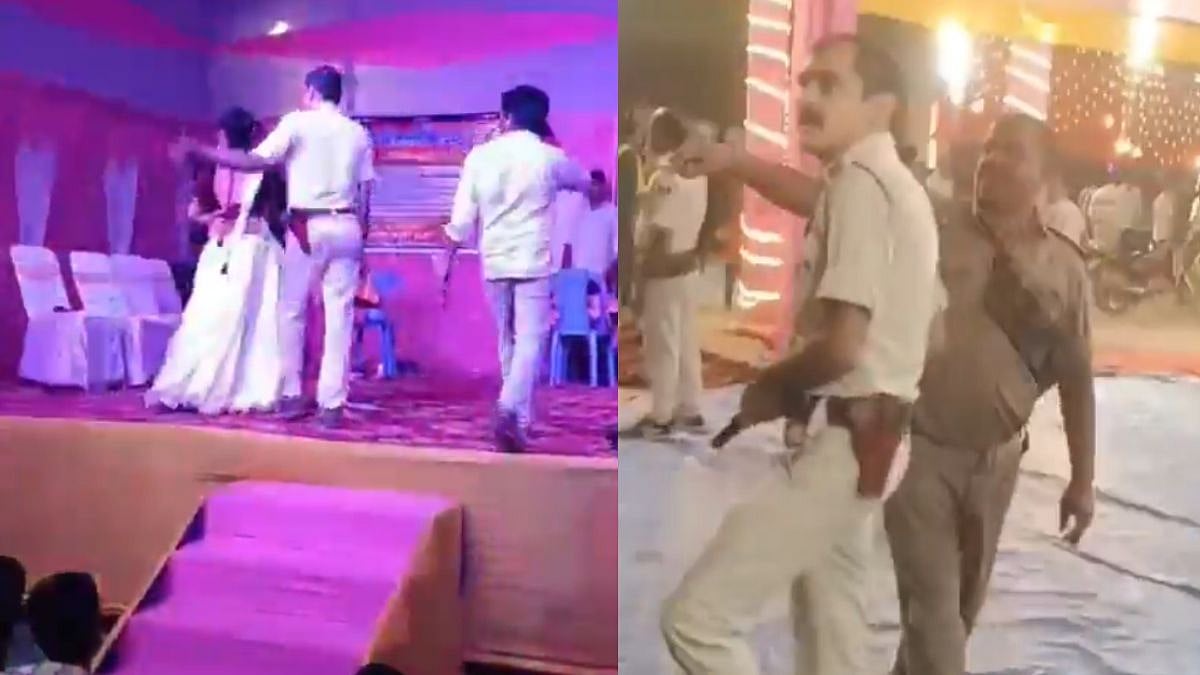
A religious gathering in Bihar’s Begusarai district turned tense in the early hours of Tuesday after a dispute reportedly broke out between police personnel and local residents during a Navratri Jagran programme. The incident took place around 3 am at the Vaishnavi Durga Sthan Puja pandal near Pangachhi Chowk, under the jurisdiction of Mufassil police station.
Visit esporist.com for more information.
A video purportedly showing the confrontation has gone viral on social media, triggering questions about the conduct of the police officer involved and the manner in which the event was stopped.
Police Inspector Allegedly Slaps Female Dancer On Stage
According to accounts from the venue, the Jagran programme was continuing late into the night, with police personnel deployed to maintain security. An inspector reportedly asked the organisers to stop the performance, citing the late hour.
The situation allegedly escalated when the officer went on stage and confronted the organisers. A female dancer later claimed that she had already stopped singing after being instructed to do so but was slapped by the inspector while preparing to leave the stage.
बेगूसराय पुलिस पर दबंगई का आरोप, दुर्गा पूजा समिति के द्वारा आयोजित कार्यक्रम में स्टेज पर चढ़ कर दरोगा ने महिला कलाकर को मारा थप्पर। लोगो के विरोध करने पर हवा में पिस्टल लहरा कर हड़काया। pic.twitter.com/apFhpyM54R
— The Bihar (@Thebihar_in) October 21, 2026
Expressing her anger over the incident, the dancer questioned why she was assaulted in front of the audience. She also alleged that the event organiser was manhandled during the confrontation.
The woman maintained that the programme could have been stopped without resorting to physical force. She further said that a female police officer could have communicated the instructions and demanded a public apology from the inspector.
Inspector Allegedly Points Service Pistol At Crowd
The alleged assault sparked protests among people attending the religious gathering. Several attendees reportedly questioned the inspector over his actions, leading to a heated exchange between the crowd and police personnel.
"बेगूसराय पुलिस पर दबंगई का आरोप",
— MR _YADAV (@im_yadav5) October 21, 2026
पूजा समिति के द्वारा आयोजित कार्यक्रम में स्टेज पर चढ़ कर महिला कलाकर को मारा थप्पर।
लोगो के विरोध करने पर हवा में पिस्टल लहरा कर धमकी देना,अब वीडियो तेजी से हो रहा है वायरल।
@BegusaraiPolice इस का जांच करे। क्या ये सही है #SuprasavAbhiyan pic.twitter.com/5BE0DqAtMM
As tensions rose, the inspector allegedly pulled out his service pistol and pointed it towards the crowd. The incident has drawn attention online, with questions being raised about the circumstances that led to the confrontation and the officer’s alleged use of his weapon.
While the officer reportedly insisted that the programme was continuing at around 3 am and needed to be stopped, local residents maintained that the Jagran was scheduled to continue until morning.
Begusarai SP Orders Investigation
Following the circulation of the video, Begusarai Superintendent of Police Manish took cognisance of the incident and assigned the investigation to the Sadar-01 Sub-Divisional Police Officer (SDPO).
India Rejects Selective Human Rights Scrutiny After UN Experts Flag Police Crackdown In ProtestsAccording to the SP, the footage showed a disturbance at the pandal during a late-night performance. Police personnel reportedly intervened to control the situation, following which the performers were removed and a scuffle broke out with the organisers.
The SP said that strict legal action would be taken against anyone found guilty based on the investigation report.